ਸੁਰ ਅਤੇ ਸਪਤਕ ਤੋਂ ਸ਼ੁਰੂ ਕਰੋ
Begin with swar and saptak
ਪਹਿਲਾਂ ਸਾ, ਰੇ, ਗਾ, ਮਾ, ਪਾ, ਧਾ ਅਤੇ ਨੀ ਦੀ ਪਛਾਣ ਪੱਕੀ ਕਰੋ। ਫਿਰ ਮੰਦਰ, ਮੱਧ ਅਤੇ ਤਾਰ ਸਪਤਕ ਦੇ ਨਿਸ਼ਾਨਾਂ ਨੂੰ ਇੱਕੋ ਛੋਟੇ ਸੁਰ-ਵਾਕ ਵਿੱਚ ਪੜ੍ਹੋ ਅਤੇ ਗਾਓ।
First make the seven swars secure, then practise how octave marks distinguish lower, middle, and upper registers. Use short phrases so the visual mark and the heard pitch become one idea.
- Read the notation aloud before singing
- Keep the tonic steady while changing register
- Use short phrases until every mark is understood
ਸੁਰਲਿਪੀ ਨੂੰ ਤਾਲ ਨਾਲ ਜੋੜੋ
Place notation inside taal
ਸੁਰਾਂ ਦੀ ਲੜੀ ਤਦੋਂ ਹੀ ਸੰਗੀਤਕ ਬਣਦੀ ਹੈ ਜਦੋਂ ਉਸਦੀ ਮਾਤਰਾ ਅਤੇ ਲੈਅ ਸਪੱਸ਼ਟ ਹੋਵੇ। ਤਾਲੀ, ਖਾਲੀ ਅਤੇ ਵਿਭਾਗ ਦਿਖਾ ਕੇ ਮਾਤਰਾਵਾਂ ਗਿਣੋ, ਫਿਰ ਹਰ ਮਾਤਰਾ ਵਿੱਚ ਲਿਖੇ ਸੁਰ ਬੋਲੋ।
Count the matras and mark tali, khali, and divisions before singing. Speaking the written swars inside the cycle prevents the common mistake of reading pitch correctly but losing the rhythmic position.
ਪੜ੍ਹਨ ਤੋਂ ਗਾਇਨ ਤੱਕ
Move from reading to singing
ਇੱਕ ਲਾਈਨ ਨੂੰ ਪਹਿਲਾਂ ਪੜ੍ਹੋ, ਫਿਰ ਲੈਅ ਵਿੱਚ ਬੋਲੋ, ਉਸ ਤੋਂ ਬਾਅਦ ਹੌਲੀ ਗਾਓ। ਆਪਣੀ ਆਵਾਜ਼ ਰਿਕਾਰਡ ਕਰਕੇ ਜਾਂ ਅਧਿਆਪਕ ਨਾਲ ਜਾਂਚ ਕਰਕੇ ਸੁਰ ਅਤੇ ਮਾਤਰਾ ਦੀ ਗਲਤੀ ਪਛਾਣੋ।
Use a three-step routine: read, recite in rhythm, then sing slowly. A recording or teacher check helps reveal whether an error comes from notation reading, pitch accuracy, or timing.
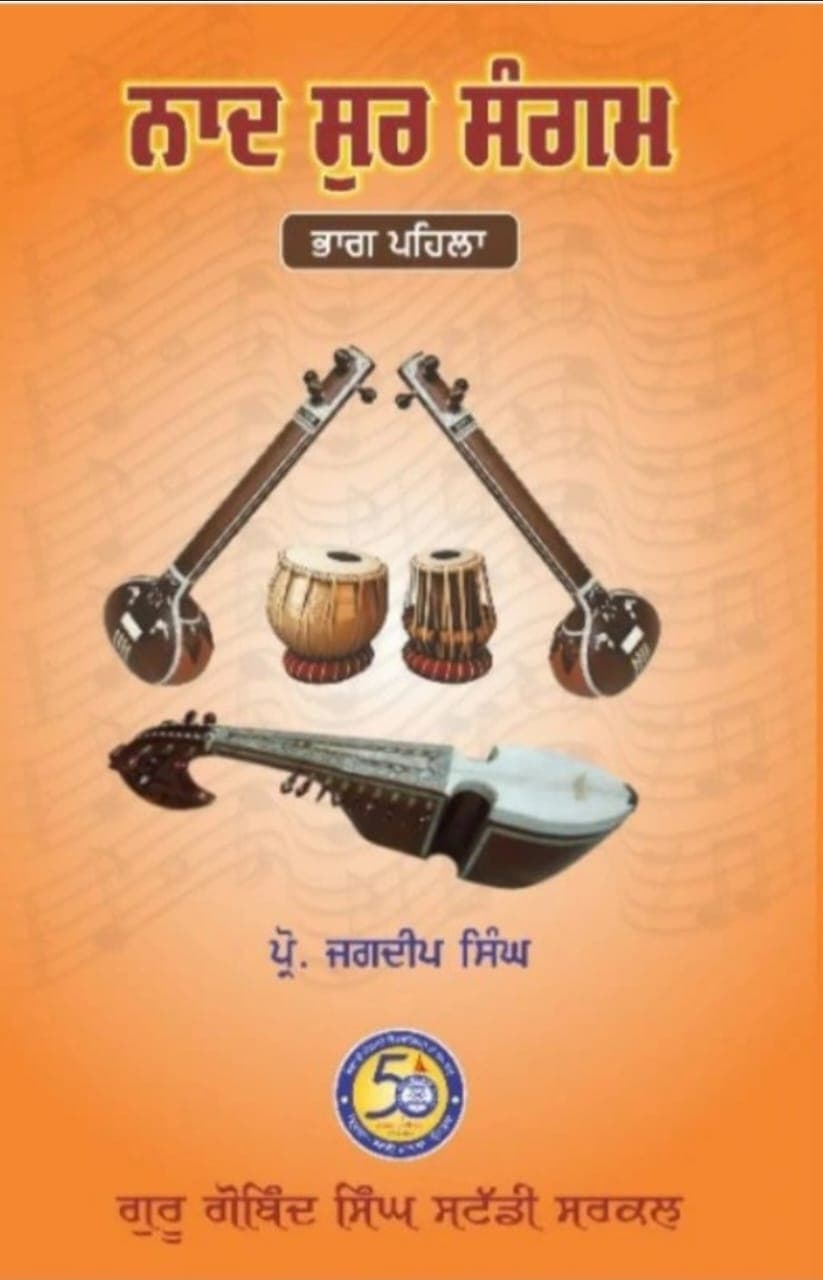
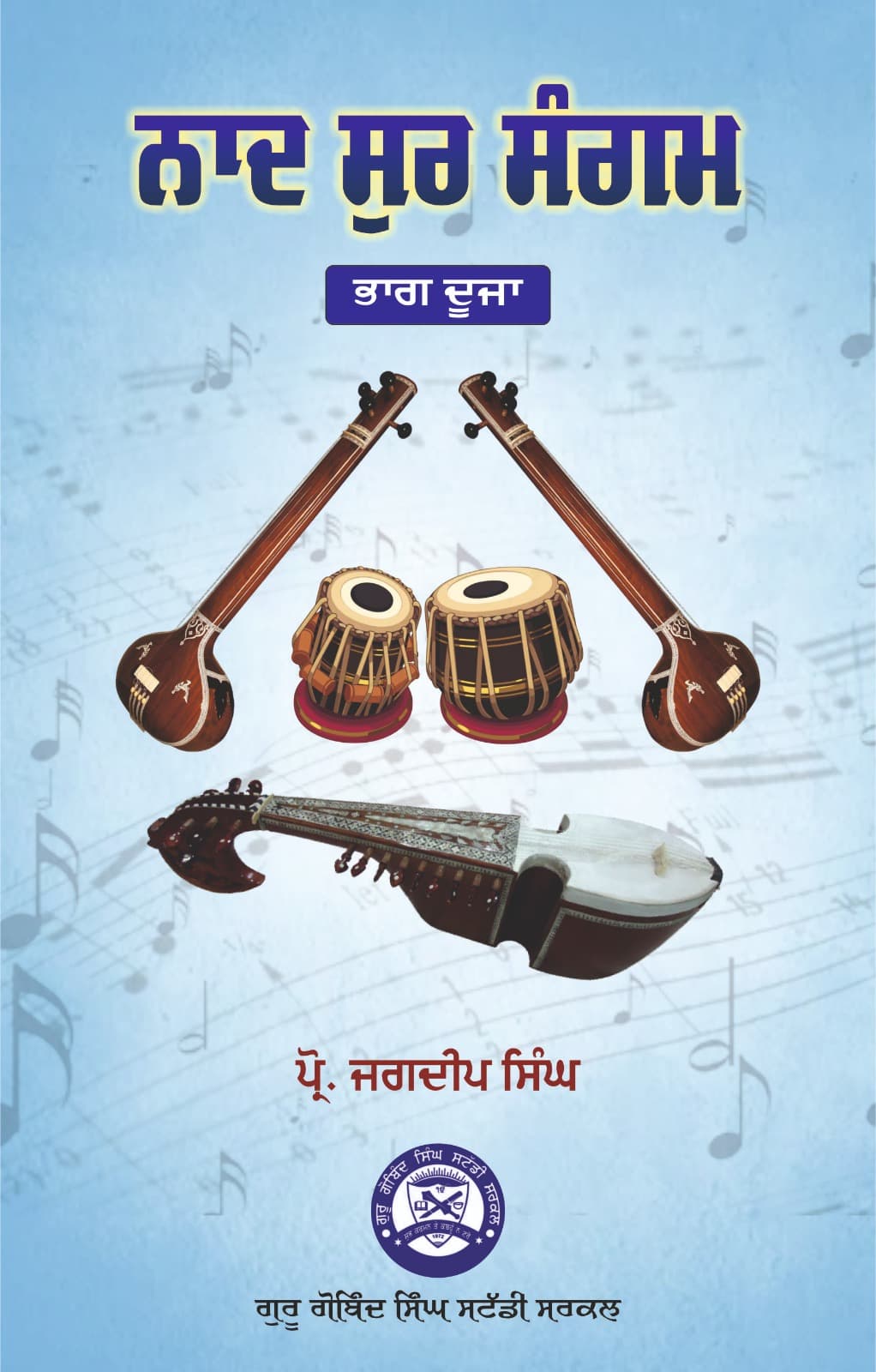
Continue with a structured Punjabi music book
Compare the available Naad Sur Sangam editions, their contents, page counts, ISBNs, and current prices before ordering.
ਕਿਤਾਬਾਂ ਵੇਖੋ · View books